
Favorite Concrete Garden Edging Ideas for a Defined Landscape
Get inspired by popular concrete edging designs that help create crisp, attractive boundaries in your garden.
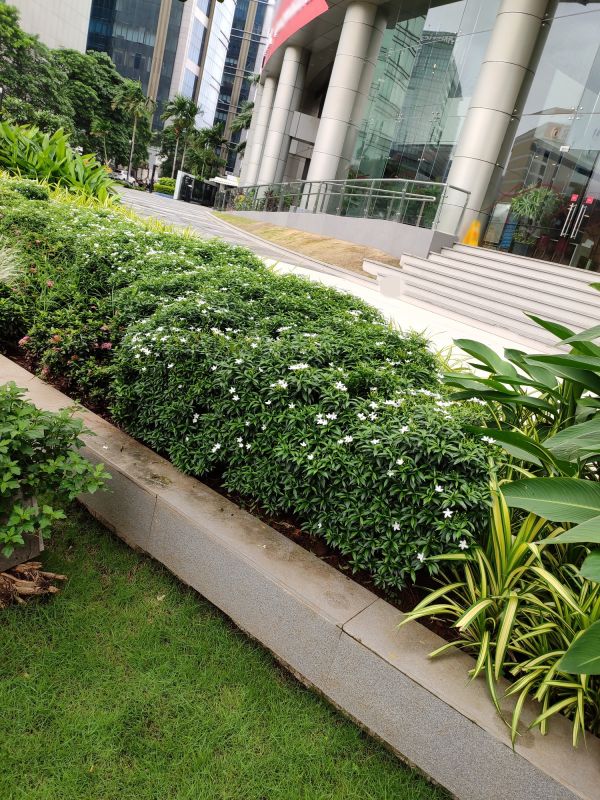 Concrete garden edgings are a versatile and durable solution for defining garden beds, pathways, and lawn borders. They help create a clean separation between different landscape elements, contributing to a well-organized and aesthetically pleasing outdoor space. These edgings can be installed in various styles, from simple straight lines to more intricate curves, accommodating different garden designs and personal preferences. The choice of edging material can influence the overall look, with concrete offering a sturdy, long-lasting option that withstands weather conditions and foot traffic.
Top Overall Option
Concrete Edging Blocks
Concrete edging blocks are a popular choice for their durability, ease of installation, and versatility. They come in various sizes, shapes, and finishes, allowing for customization to match your garden aesthetic. These blocks can be laid in straight lines or curved patterns, providing a clean and professional look. Their sturdy construction ensures they can withstand weather and foot traffic, making them suitable for defining borders around flower beds, lawns, or pathways. Many designs also feature textured surfaces or decorative edges to add visual interest, making them a practical yet attractive option for many garden projects.
Types of Products For Concrete Garden Edgings
Precast Concrete Edging
Precast concrete edgings are manufactured in standardized shapes and sizes, offering a quick and straightforward installation process. They are ideal for creating uniform borders and are available in various textures and finishes.
Flexible Concrete Edging
Flexible concrete edging materials can bend to accommodate curves and irregular shapes, making them suitable for more organic garden designs.
Interlocking Concrete Pavers
Interlocking pavers are designed to fit together tightly, providing a seamless and stable edging solution that can be customized with different colors and patterns.
Concrete Curbs
Concrete curbs are often used for larger landscape projects, offering a robust edge that can also serve as a retaining barrier.
Decorative Concrete Edging
Decorative options include stamped or textured concrete that adds aesthetic appeal while serving as a functional border.
Concrete Sleeves
Sleeves are hollow or solid concrete tubes that can be cut and shaped to create unique edging profiles.
Cast-in-Place Concrete
Cast-in-place concrete involves pouring concrete directly into molds on-site, allowing for custom shapes and sizes.
Concrete Edging with Integrated Lighting
Some concrete edgings incorporate lighting features for enhanced nighttime visibility and aesthetic appeal.
Modular Concrete Edging Systems
Modular systems consist of individual segments that can be assembled in various configurations, offering flexibility in design.
Concrete Edging with Embedded Stones
These designs embed decorative stones or aggregates within the concrete for added texture and visual interest.
Popular Choices
A versatile and durable option frequently used for garden borders and pathways.
Popular for their ease of installation and customizable patterns.
Favored for creating curved borders and organic shapes.
Convenient for quick installation with uniform appearance.
Chosen for adding aesthetic appeal with stamped or textured surfaces.
Used for custom edging designs and structural flexibility.
Selected for custom shapes and seamless integration into the landscape.
Popular for flexible layouts and easy replacement or upgrades.
Increasingly used for nighttime garden illumination.
Preferred for naturalistic garden designs and flower bed borders.
Common for creating level changes and supporting soil stability.
When selecting products for concrete garden edgings, it is important to consider the specific requirements of your landscape. Factors such as the size of the area, the desired height of the edging, and the type of installation method will influence which product type is most suitable. Some products are designed for easy DIY installation, featuring interlocking systems or flexible materials that adapt to curves, while others may require professional installation for a seamless finish.
Maintenance is another key aspect to consider. Concrete edgings generally require minimal upkeep, but choosing products with a smooth finish can make cleaning easier and reduce the accumulation of dirt or weeds. Additionally, some products come with features like integrated drainage or anti-slip surfaces, which can enhance safety and functionality in your garden. Overall, investing in quality materials and understanding your landscape needs will help ensure your concrete garden edging remains attractive and functional for years to come.
Proper installation is crucial for longevity and visual appeal. Ensuring that the foundation is level and stable prevents shifting or cracking over time. Many products offer features such as anchoring systems or flexible segments to facilitate a secure fit. Whether you prefer a classic look or something more contemporary, there are numerous options available to suit different garden styles and budgets. With careful planning and selection, concrete garden edgings can serve as a practical and attractive element that enhances your outdoor space.
Key Buying Considerations
- Material durability and weather resistance
- Design and aesthetic compatibility with your garden style
- Ease of installation and required tools or expertise
- Flexibility for curves or straight lines
- Size and height of the edging to match landscape needs
- Surface texture and finish for safety and maintenance
- Compatibility with existing garden features
- Cost and overall budget constraints
- Availability of matching or complementary products
- Potential for integrated features such as lighting or drainage
- Longevity and maintenance requirements
- Ease of repair or replacement in case of damage
- Environmental factors that may influence material choice
- Installation surface conditions and foundation stability
- Compatibility with plant roots and soil movement