Concrete Curbing vs. Plastic or Metal Landscape Edging
Choosing concrete curbing or edging helps define landscape borders and prevent erosion, with local service providers ready to install durable, attractive solutions tailored to your needs.
Visitors exploring options for defining landscape features may find themselves comparing concrete curbing with plastic or metal landscape edging. This is a common consideration for property owners looking to enhance curb appeal, improve lawn maintenance, or create clear boundaries around flower beds and walkways. Understanding the differences can help in making an informed decision that aligns with the property’s needs, and local contractors often provide expert guidance and installation services for both types of edging. Continuing to explore this topic can reveal how each material’s practical advantages might suit specific landscape goals and maintenance preferences.
Choosing between concrete curbing and plastic or metal landscape edging involves evaluating factors like durability, visual appeal, and longevity. Local service providers can assist property owners by installing concrete curbing that offers a sturdy, permanent solution, or by setting up flexible plastic or metal options that are easier to install and modify. As this discussion unfolds, it becomes clearer how each edging type can contribute to a well-maintained, attractive outdoor space, and how experienced local contractors can help bring those landscape visions to life with professional installation and advice.
- Concrete curbing services are ideal for property owners seeking durable, long-lasting borders that can withstand heavy use and weather conditions, with local contractors specializing in custom shaping and installation. Plastic or metal landscape edging may be suitable for quick, low-cost projects where flexibility and ease of installation are priorities, with service providers offering a variety of styles. When someone wants a permanent, visually appealing solution that minimizes maintenance, local pros often recommend concrete curbing for its aesthetic appeal and structural strength. For projects requiring temporary or easily adjustable edging, service providers can install plastic or metal options that are more adaptable to changing landscape designs. Local contractors can help determine the best choice based on the specific needs and conditions of the landscape.
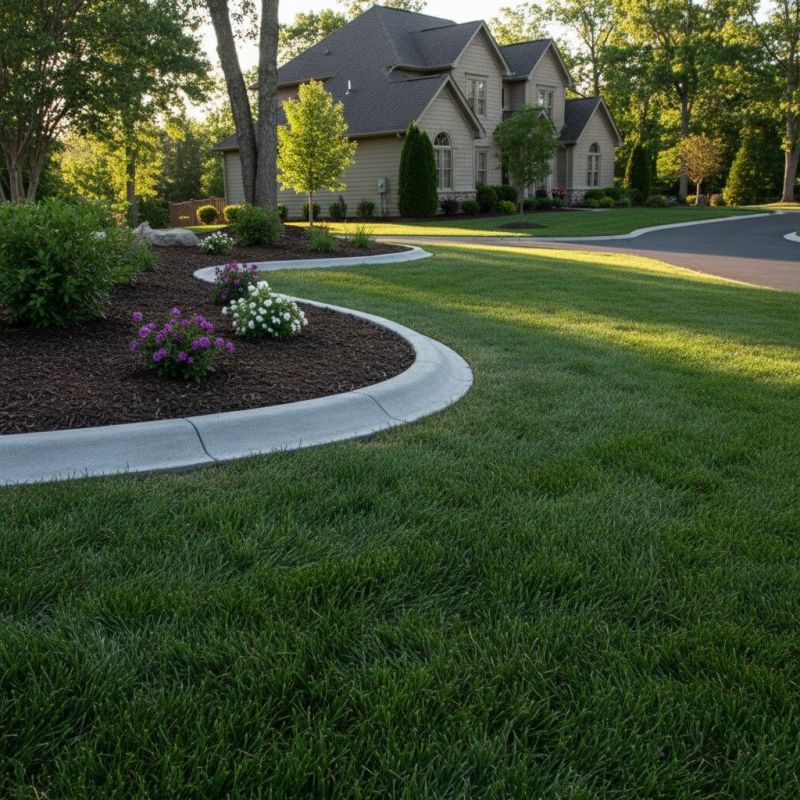
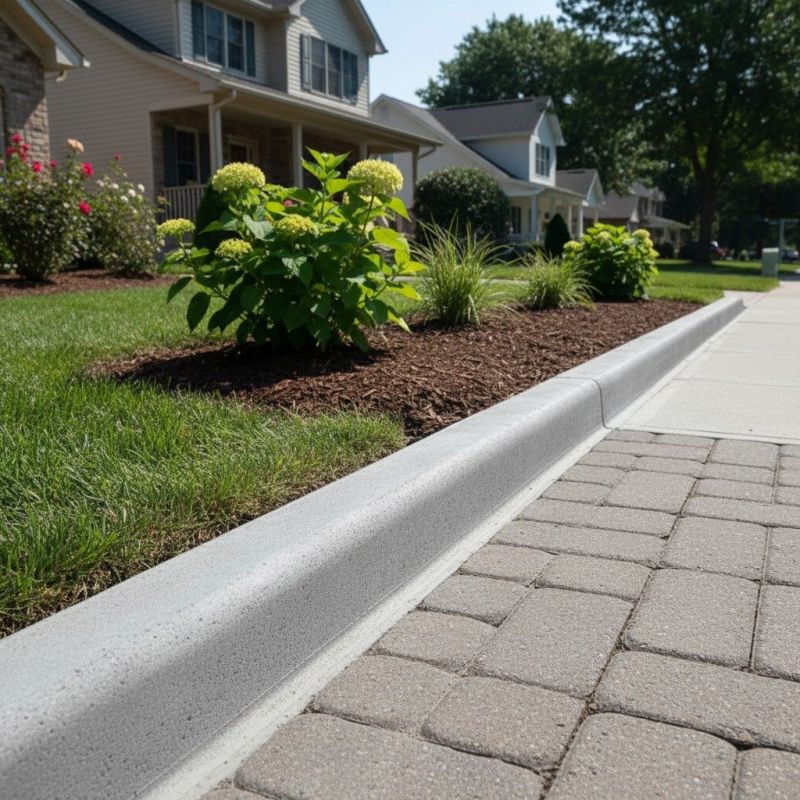
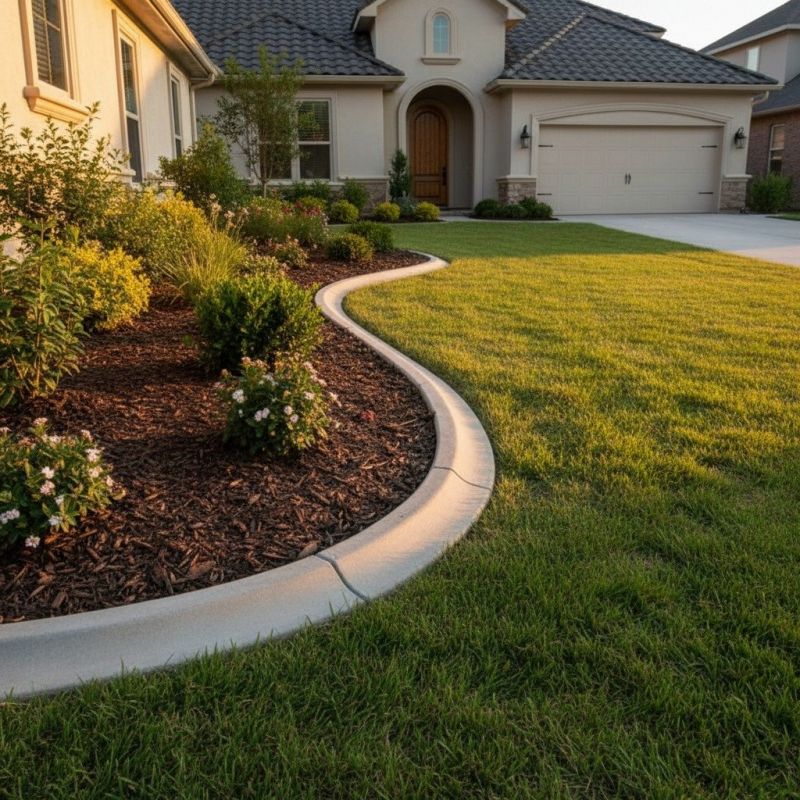
When homeowners search for information about concrete curbing versus plastic or metal landscape edging, they are often trying to determine which option best suits their outdoor project. This comparison typically arises when planning to define garden beds, create borders around lawns, or establish clean, durable edges along pathways and driveways. People are usually interested in understanding the differences in appearance, durability, and maintenance needs of each type of edging to ensure their landscape design remains attractive and functional over time. The decision often involves evaluating how well each material withstands weather conditions, foot traffic, and general wear, especially in areas with high activity or exposure to the elements.
The choice between concrete curbing and plastic or metal landscape edging connects directly to common property improvement goals and problem-solving needs. For instance, homeowners seeking a long-lasting, sturdy boundary that can handle heavy use or challenging weather conditions may lean toward concrete curbing. Conversely, those looking for a more affordable, flexible, or easier-to-install solution might consider plastic or metal edging. This decision can also be influenced by the property's layout-larger properties with expansive lawns or gardens might benefit from the durability of concrete, while smaller residential yards might find plastic or metal options more practical. Local service providers specializing in concrete curbing or edging can help evaluate a property’s specific needs and recommend the best material choice for a given landscape plan.
Properties that typically come up in conversations about concrete curbing versus plastic or metal landscape edging include residential homes, commercial properties, and community parks. Residential properties often feature gardens, flower beds, and lawns that require clear boundaries to prevent soil erosion and maintain neatness. Commercial landscapes, such as shopping centers or office complexes, may prioritize durable edging that withstands frequent foot traffic and vehicle movement. Parks and public spaces often need robust edging solutions that can endure weather and heavy use without frequent replacement. In these scenarios, local contractors who specialize in concrete curbing can provide tailored solutions that enhance the property's aesthetic appeal while offering longevity and minimal upkeep.
Understanding how each edging type connects to real projects helps homeowners make informed decisions. Concrete curbing offers a permanent, visually appealing solution that can be customized in shape and color, making it suitable for creating defined, polished borders. Plastic and metal landscape edging, on the other hand, can be installed quickly and adjusted easily, making them ideal for projects requiring flexibility or temporary boundaries. Local contractors experienced in installing both types of edging can assist in matching the right material to the specific demands of a property, ensuring that the chosen solution aligns with the property’s design, usage, and longevity expectations. This guidance helps homeowners achieve a landscape that is both attractive and functional, with the support of professionals who understand the nuances of each material.
Retaining Wall Construction - building retaining walls requires planning, site preparation, and the use of similar tools as those used for concrete curbing and edging projects, making it a related skill set for local contractors.
Garden Bed Edging Installation - installing garden bed borders involves precise planning and the use of hand and power tools, aligning closely with the skills needed for landscape edging services.
Paver and Walkway Installation - laying pavers or walkways involves surface preparation and material placement, which are skills often shared with concrete curbing and edging work.
Landscape Drainage Solutions - designing and installing drainage systems requires planning and tool proficiency similar to those used in landscape edging projects.
Soil and Gravel Pathway Creation - creating pathways involves site preparation, leveling, and material handling, skills that complement concrete and edging installation techniques.
Hardscape Feature Construction - building features like patios or decorative walls involves planning, material handling, and tools comparable to those used in concrete curbing and edging services.
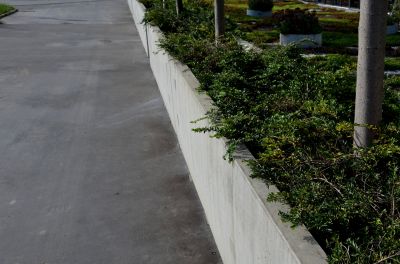
When comparing service providers for concrete curbing versus plastic or metal landscape edging, it’s important to evaluate their experience with similar projects. Homeowners should look for local contractors who have a proven track record of completing curb and edging installations comparable to the scope of their own landscape plans. This experience can often be gauged through examples of past work or references that demonstrate familiarity with the specific materials and techniques required for each type of edging. Choosing a provider with relevant experience helps ensure that the project will be approached with the appropriate expertise, resulting in a finished product that meets expectations.
Clear, written expectations are essential when selecting a contractor for concrete curbing or edging services. Homeowners should seek out providers who can offer detailed descriptions of their process, the materials used, and the scope of work involved. Having these details in writing helps prevent misunderstandings and provides a basis for evaluating whether the contractor’s approach aligns with the homeowner’s vision. Well-defined expectations also support transparent communication, making it easier to address questions or concerns throughout the project and ensuring that both parties are aligned on the desired outcome.
Reputable references and effective communication are key factors to consider when choosing local service providers. Homeowners are encouraged to ask potential contractors for references from previous clients, especially those who have had similar work completed. This feedback can provide insight into the contractor’s professionalism, reliability, and quality of work. Additionally, good communication-characterized by prompt responses, clarity, and a willingness to answer questions-can significantly impact the overall experience. A contractor who maintains open lines of communication helps ensure that the project progresses smoothly and that any issues are addressed promptly, leading to a more satisfactory outcome for the homeowner.
Property owners often search for concrete curbing vs. plastic or metal landscape edging when they are planning practical projects around their homes and businesses. Local pros provide Concrete Curbing or Edging Service services for everyday jobs and straightforward project options.
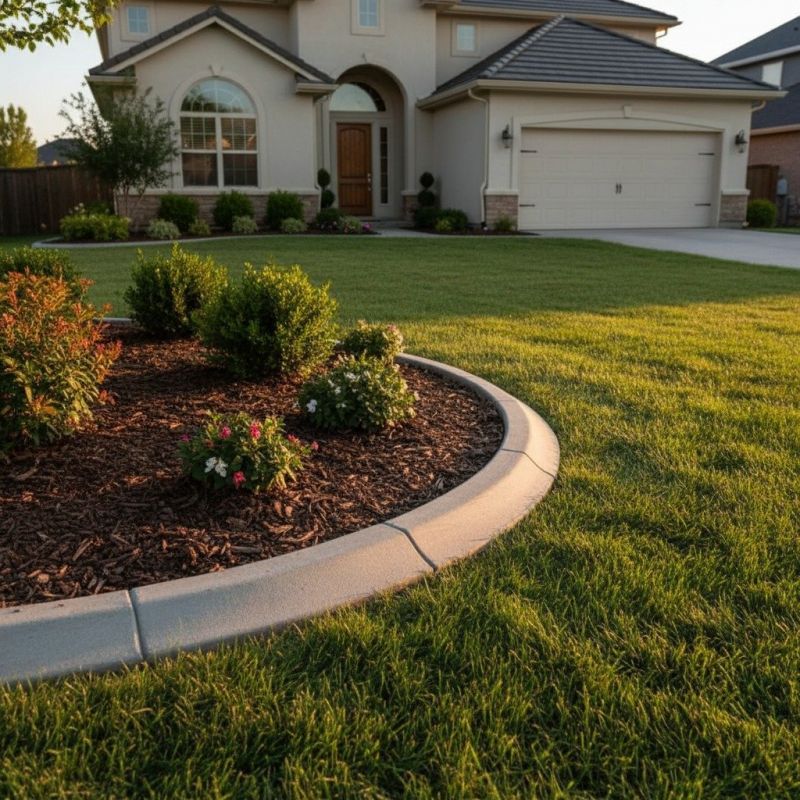
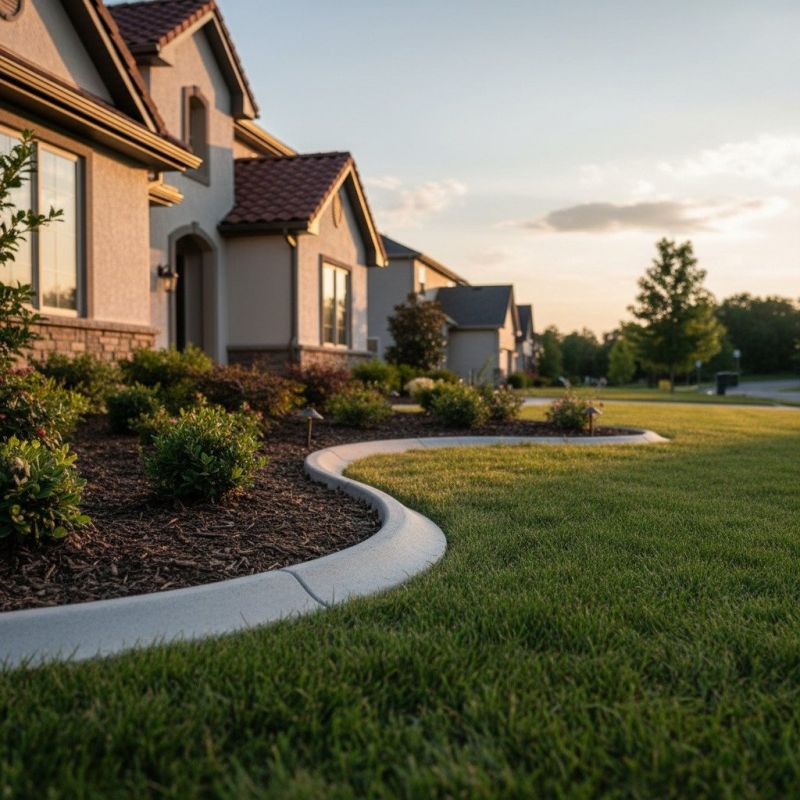
When considering landscape edging options, property owners often weigh the durability and appearance of concrete curbing versus plastic or metal alternatives. Concrete curbing provides a solid, permanent boundary that can help define garden beds, walkways, and lawn areas with a clean, finished look. It is especially appealing for those seeking a long-lasting solution that can withstand weather and regular yard activity without shifting or deteriorating over time. Local contractors who specialize in concrete curbing can offer tailored designs that complement the style of the property, making it a practical choice for homeowners wanting a low-maintenance, visually appealing landscape feature.
On the other hand, plastic or metal landscape edging tends to be more flexible and easier to install, often appealing for quick projects or temporary boundaries. These materials are lightweight and can be a cost-effective way to contain mulch or gravel, but may require replacement or repair sooner than concrete options. Property owners in the area who are exploring these options might look for local service providers who can assess their specific needs and recommend the most suitable edging material. Whether seeking a sturdy, permanent border or a more flexible, budget-friendly solution, local contractors can help determine the best fit based on the project’s scope and landscape design.
How does concrete curbing compare to plastic or metal landscape edging in durability? Concrete curbing generally offers greater durability and longevity than plastic or metal edging, making it suitable for areas with heavy foot traffic or vehicle use. Local contractors can install concrete borders that resist cracking and weathering over time.
What are the aesthetic differences between concrete curbing and plastic or metal landscape edging? Concrete curbing provides a more natural, seamless appearance that can be customized with various finishes and colors, while plastic or metal edging tends to have a more uniform, manufactured look. Service providers can help choose styles that complement the landscape design.
Can concrete curbing be shaped to match complex landscape designs? Yes, concrete curbing can be molded into a variety of shapes and curves, allowing for more intricate landscape designs. Local pros have the experience to craft custom shapes that enhance the overall appearance of the yard.
Is concrete curbing more resistant to pests and damage than plastic or metal edging? Concrete curbing is less susceptible to pests, such as insects or burrowing animals, and is more resistant to damage from lawn equipment compared to plastic or metal options. Contractors can ensure proper installation for maximum durability.
How does maintenance differ between concrete curbing and plastic or metal landscape edging? Concrete curbing typically requires less maintenance, as it does not rust or degrade easily, whereas plastic or metal edging may need replacement or repair over time. Local service providers can advise on upkeep and longevity for each type.
Durability considerations - Property owners can choose concrete curbing for long-lasting borders that withstand foot traffic and weather, with local contractors providing expert installation.
Design flexibility - Homeowners can explore creative landscape designs using plastic or metal edging to easily customize shapes and colors, with local service providers handling the installation.
Maintenance needs - Those seeking minimal upkeep might prefer concrete curbing for its low-maintenance surface, while local pros can help install low-maintenance plastic or metal options.
Cost and installation - Property owners can evaluate budget-friendly plastic or metal edging for quick installation, or opt for durable concrete curbing, with local contractors assisting in the process.
If you are thinking about concrete curbing vs. plastic or metal landscape edging for a property, this guide is meant to help you understand this topic, the typical project types, and how different options might fit your plans.
When you are ready, you can use the quote form on this page to share a few details about your project. From there, local pros can review the basics and follow up with options that match what you have in mind.